We are urging cafes and coffee shops to drop the plant-based milk surcharge
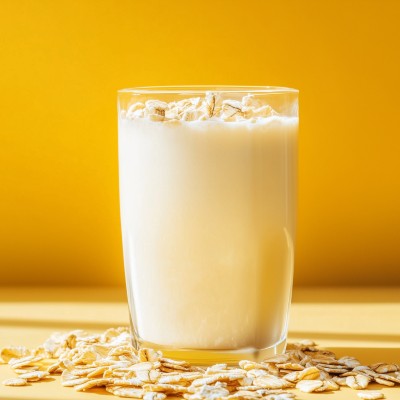
Our research* shows one third of the UK population regularly consume dairy milk alternatives (such as oat milk, soya milk, almond milk and coconut milk) for many reasons. Motivation for this change includes health (46%), the environment (35%), or simply taste (28%). Due to this growing demand, some of the biggest coffee shop chains like Starbucks and Pret a Manger have started providing plant-based milks free of charge. However, many other leading coffee chains, independent cafes and coffee shops are yet to take this step and still charge an extra £0.47 on average for vegan milk alternatives such as oat milk, despite this being the preferred choice of plant-based milk for most (42%).
The Vegan Society want to see more cafes and coffee shops setting a positive example by being more inclusive and dropping the surcharge on all dairy-free milk alternatives. This would benefit both consumers and businesses while also reducing harm to the planet. The World Resources Institute states plant-based milks on average generate roughly one third or less of the greenhouse gas emissions of cow’s milk, and most use considerably less water. By serving plant-based options at a matched price, businesses can help reduce their impact on the planet and help customers make a more sustainable choice!
*The Vegan Society. (2025). Based on the “Play Fair Survey," conducted via Attest on 10 April 2025 with 2000 people selected using nationally representative targeting.
Take action today
Include fortified plant milks in nutritional public health initiatives for children
Veganism is booming and with that the demand for plant-based food has skyrocketed accordingly. Research shows that 1 in 3 people regularly buy plant-based milks, including soya, oat, coconut, almond, hazelnut, cashew, hemp, rice and flax milks.
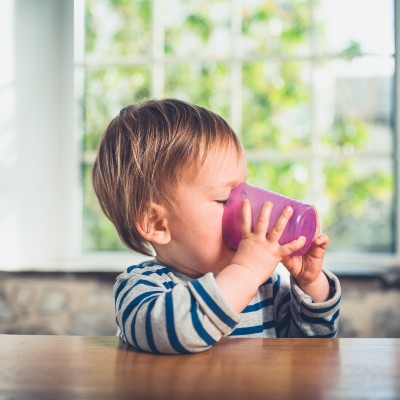
Despite this, animal milk is promoted and supported in various nutritional public health initiatives for children, which do not include any plant milk alternatives. This means that vegan children do not benefit from the initiatives, which are designed to increase calcium intake for growing kids. Vegan children often miss out or have to rely on parents to provide their own milk, something that is not always possible for low-income families.
- Healthy Start Scheme (Best Start Foods Scheme in Scotland)
- EU School Milk subsidy scheme
- School Food Standards (mandatory daily milk section)
- UN School Milk Day (24 September)
- Nursery Milk Scheme
How can you get involved?
- Write to the government and other institutions highlighting this issue
- Share experiences of discrimination
- Share social media hashtags around World Plant Milk Day and School Milk Day